

In Blue Hour, Simond photographs her partner, the model Leon Dame, exploring masculinity, intimacy and the act of being seen
There is a certain charge in Senta Simond’s oeuvre that captures not just the body, but the emotional residue of being seen. If the Swiss-born photographer has long centred on how the feminine figure is felt as much as observed, then in her latest book, Blue Hour, she redirects that inquiry toward the masculine – in her partner, model Leon Dame. Published by Mörel, the resulting series is a study in the tension between performing visibility and simply being seen: moving through exposure and tenderness, image and person, the public and the private.






What began as a private exchange soon evolved into a dialogue between photographer and muse and, incidentally, blurred the line that separates subject from collaborator. “It became very natural, this project together,” Simond recalls, “I was never really interested in photographing men before but because of him, I started to look more at the male figure in photography.” There was no plan or expectation from the outset: “We both love photography,” she says, “it was our freedom to do something together, to explore anything we wanted outside of fashion.”
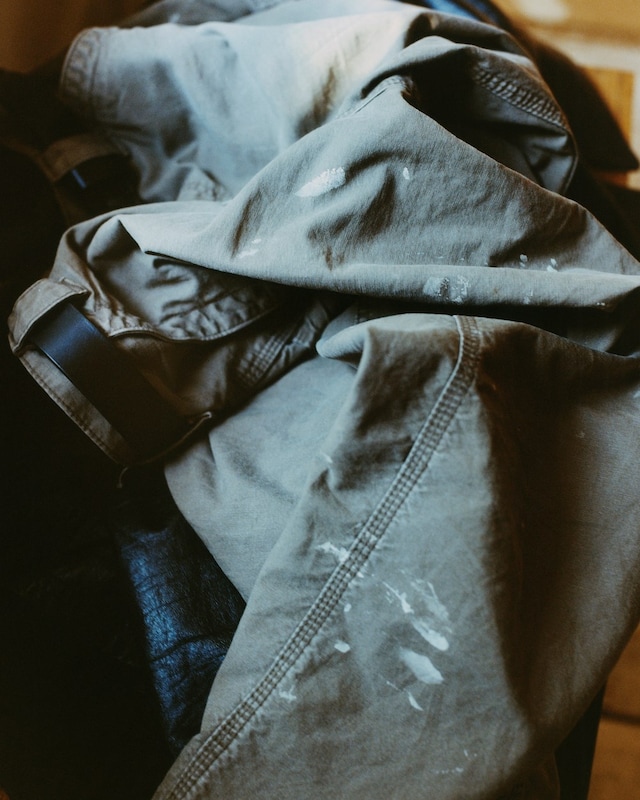
Shot across New York and California over several months, the images are at once cinematic and contemplative, a touch cheeky yet sincerely heartfelt. Spliced between portraits of Dame himself are honed fragments and blurred scapes of motion and machinery that lightly evoke the material world so often associated with masculinity. Yet at the centre of the series, Dame’s presence, his instinctive self-expression, is the emotional axis around which the work revolves. “He’s very bodily,” Simond observes, “he really knows how to inhabit himself, like a dancer sometimes. It can be something very emotional.”

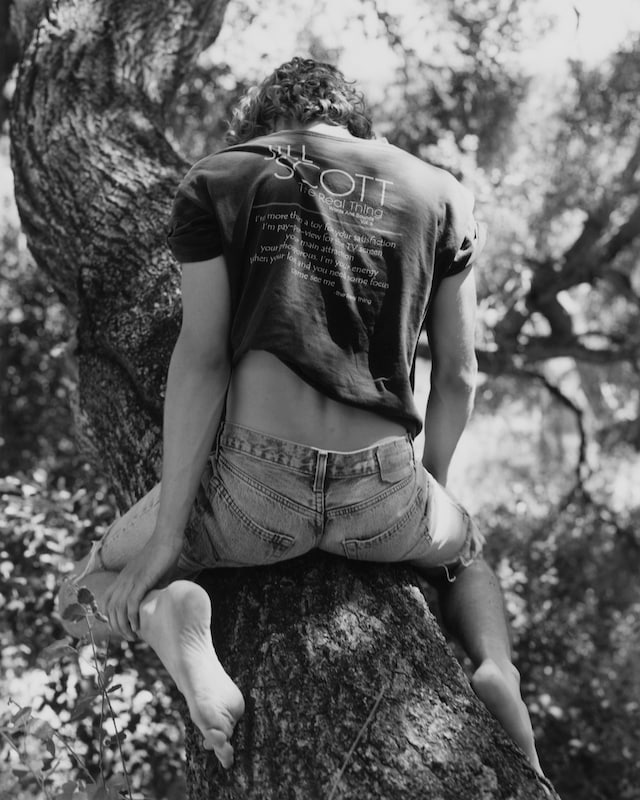
But the perceived symbolism of masculinity woven through Blue Hour simply amplifies the very human subject moving through it all. Well worn jeans, and the very specific shorthand of crisp white underwear can be tender and alive when held in Simond’s gaze. As the publisher notes, “When Senta undresses her muse, masculinity suddenly becomes soft and fleshy, something that is the object of admiration and intimacy rather than solely the subject.”
For Simond, the process of assembling the book is as important as the image-making itself. She and Dame edited the sequence together, from the selection of images to the layout of the book. “It was important that he was part of everything,” she says. “We really constructed the images together. I never asked him to perform. It all came very organically.” And this sense of reciprocity extends beyond the page; the photographs feel less like documentation than conversation.

Yet Blue Hour is also a contemplation on the act of revealing itself, both in Dame before the camera and in the work’s release into the world. Simond admits that she felt “intimidated” sharing something so personal. “It’s strange that it’s now exposed, but it’s also a relief,” she reflects. “I’m still very nervous to show these pictures. When it’s in a book, it feels different, more protected. But on social media, it becomes something else.” In this regard, Blue Hour captures a slippery conundrum of today’s image-saturated era: how to keep something sacred in the face of visibility, and how to remain human as masculinity is continually flattened into display.
Blue Hour by Senta Simond is available for pre-order now through Mörel Books.
