
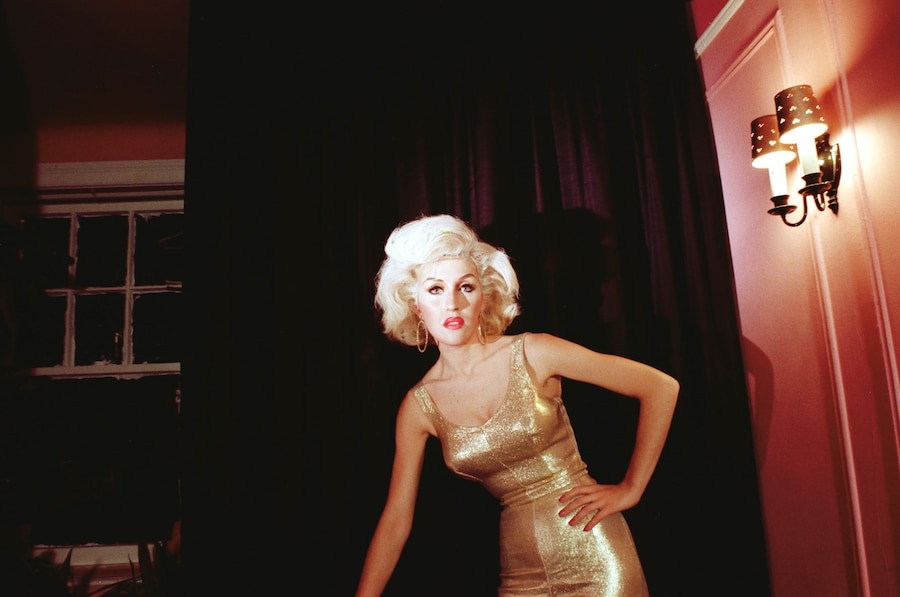
A new book presents Bobby Busnach’s photographs of high glamour and queer counterculture, intricately staged in a crumbling Upper West Side apartment
New York City has long held an irresistible allure for young dreamers seeking creative and sexual freedom, but the 1970s and 80s were a particularly febrile period in the city’s rich countercultural life. In 1974, as Andy Warhol and his Factory acolytes dominated the upper echelons of the NYC art scene, a young, unknown photographer named Bobby Busnach began transforming a decaying Upper West Side apartment into an alternative Factory, a theatrical dreamscape conjured by dramatic lighting and decadent set dressing.
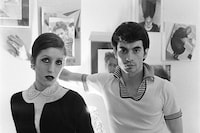
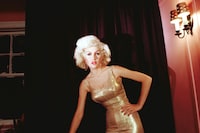
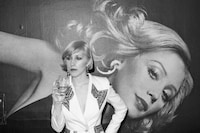
For the ensuing six years, set against this lavish, carefully cultivated backdrop, Busnach worked with the help and patronage of his best friend, Geraldine “Gerry” Visco, taking mesmerising portraits of their friends, styling them in a melange of old Hollywood glamour and contemporary finds from the likes of Fiorucci, Vivienne Westwood, Frederick’s of Hollywood, Stephen Burrows, Charles Jourdan, and more. From 1974 to 1980, Busnach and Visco turned their home in the Park Royal – a formerly grand residential hotel, fallen on hard times – into a queer, transgressive space, in which their circle of runaways and renegades with expensive dreams could be transformed into stars.
All of Us Stars, a new book published by Reference Point, brings together Busnach’s never-before-published images from the late photographer’s vast archive. “The images carried this innate glamour, reminiscent of Hollywood photography, with a real sense of style and artistry, but what struck us the most was the tenderness: you could see a group of friends documenting themselves, creating their own stage on which to shine, and hold on to a sense of belonging,” says Louise Camu, one of the book’s commissioning editors. “Bobby’s photographs offer a window into a private world – one that is both intricately staged and startlingly intimate. The archive speaks to the fluid boundaries between art and life, performance and identity.”

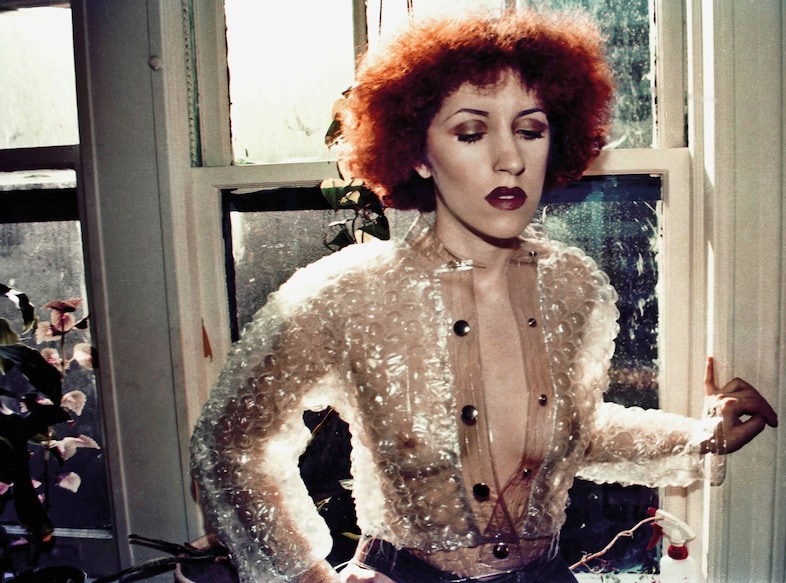
Busnach’s portraits are pure performance. “The archive wasn’t about raw, documentary photography, or about captured moments the way vernacular photography presents itself, but rather it sought freedom through fantasy and artifice,” Camu tells us. “Crucially, this image of glamour was the one they wanted to portray to the world. In this hyper-staged world of photography sat photographers such as Helmut Newton and George Hurrell, who deeply influenced Busnach. But the work also feels like a precursor to Cindy Sherman’s Film Stills from later in the decade.”
The origins of All of Us Stars can be traced to the moment when creative director Seana Redmond came across one of Busnach’s photographs in “a dark corner of the internet" in 2017. Intrigued, she eventually managed to make contact with the photographer. The pair struck up a friendship and, over the course of their weekly emails, Busnach began revealing the story of his troubled but extraordinary early life – becoming homeless at just 12 years old after fleeing a complicated and turbulent home, spending time in a sanatorium, practising scream therapy in a cult, turning tricks on Third Avenue, studying under a Hungarian ballet master, learning modern dance with Martha Graham, studying jazz at Alvin Ailey Dance Theatre, and partying the nights away with friends at New York’s clubs). He also began entrusting Redmond with his archive of prints and negatives, many of which had been lost in a flood and all of which had remained untouched since the 80s. When Busnach died suddenly in 2019, Redmond knew it was her responsibility as the custodian of these treasures to publish his work.

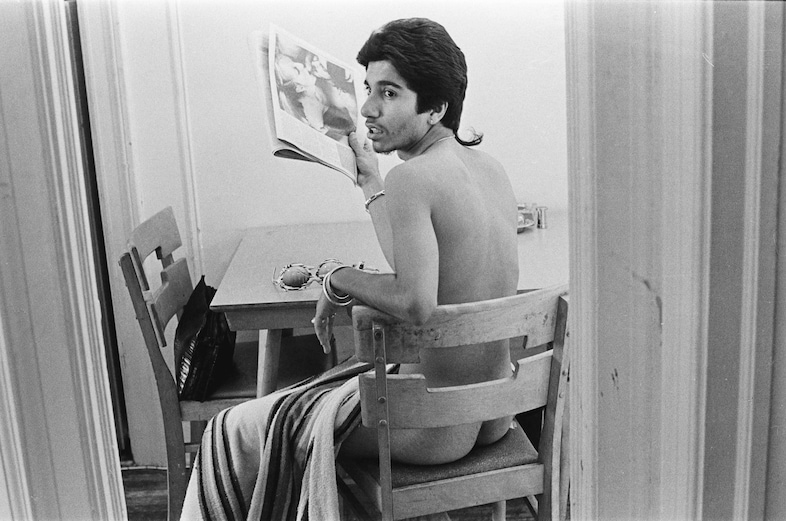
Alongside the poignant reminiscences of Redmond, All of Us Stars also includes tender, insightful texts by Amelia Abraham and Jackson Davidow. Each provides contemporary reflections on this extraordinary body of work and the narratives which emerge. The complex co-dependent relationship between Busnach and Visco underpins the very existence of All of Us Stars. “Their friendship fostered in one another a sense of visibility and significance, making each other feel glamorous and special in a world that often tried to convince them of the opposite,” says Camu. Two kids from broken homes, their Upper West Side Apartment allowed them to play house and recreate their own shared fantasy of domestic life and family. Visco was not only a muse and creative force, but she also largely funded Busnach’s life and practice by working as a sex worker. Their relationship was symbiotic, bonded by trauma, and their domestic dream at the Park Royal could verge into dark territory when, perhaps inevitably, they enacted some of the behaviours they’d witnessed in their childhood homes.
This tension between the artifice and glamour of costumes and dazzling makeup, against the grinding intrusions of reality, is a constant presence. The pictures are an act of defiance, created in the shadows of the impending AIDS crisis despite financial hardship and deprivation, turbulent relationships and the precarity of queer existence. “The archive isn’t just about their style; it is about survival, community and self-fashioning in a context of precarity at a time when queer lives were rarely documented in such a way,” Camu explains. “Ultimately, what is original and moving about his images, which goes beyond the skill and creative expression that went into them, is that it shows how this group of friends made each other feel visible within a social context that frequently sought to marginalise their existence. It captures not only how these figures wanted to be seen, but also how they saw each other.”
All of Us Stars by Bobby Busnach is published by Reference Point and is out now.
