
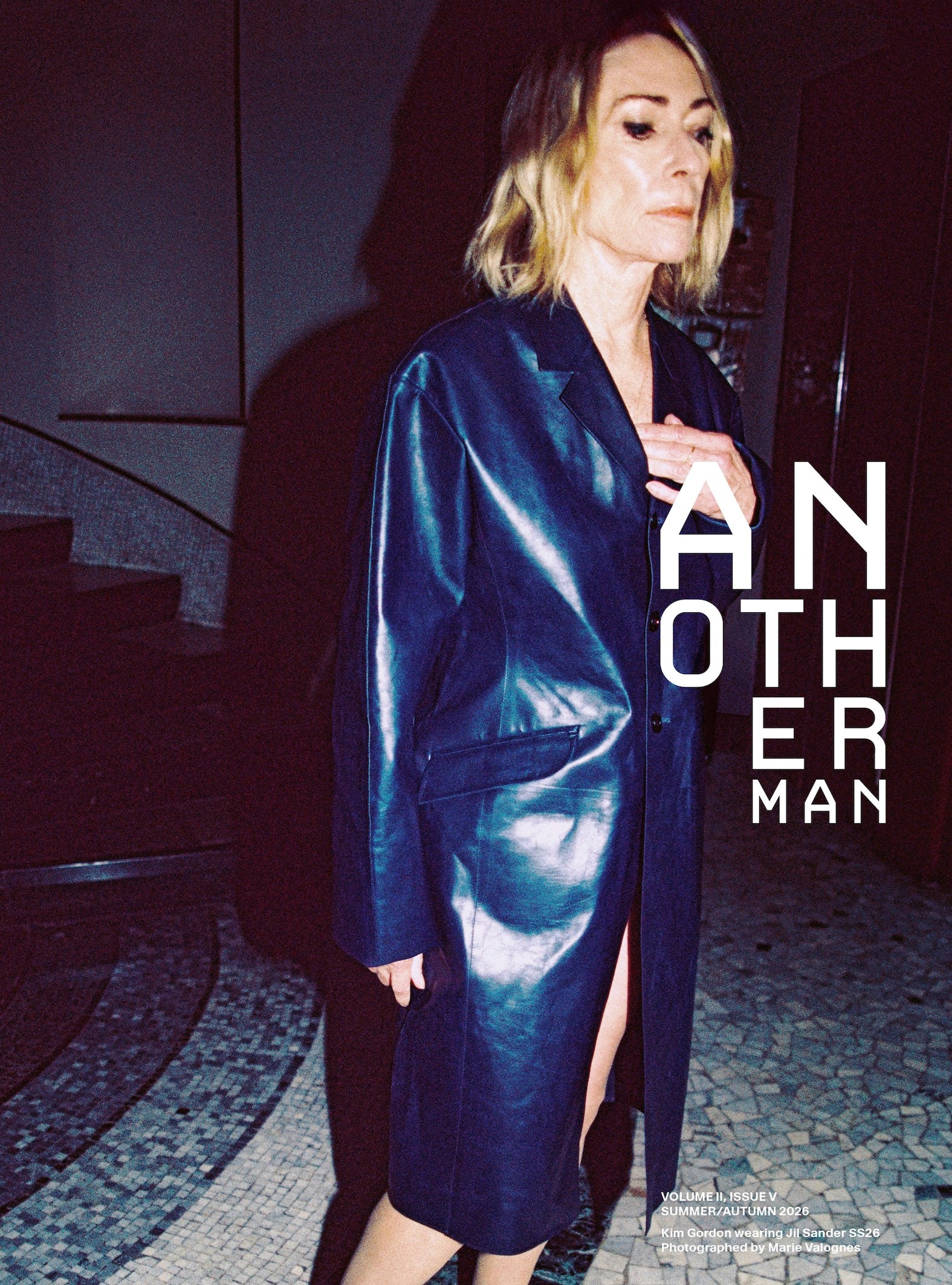
This story is taken from the Summer/Autumn 2026 issue of Another Man, Volume II, Issue V:
“The great function of poetry is to give us back the situations of our dreams,” wrote Gaston Bachelard in The Poetics of Space. “The house we were born in is more than an embodiment of home, it is also an embodiment of dreams.” For his second collection at Jil Sander, Simone Bellotti proposed a similar paradigm, designing a show in Milan that felt like a return to somewhere familiar – the home – but with allusions to an alternative, even surreal... alongsideness. Saddle brown carpeting, reminiscent of Fassbinder interiors, and a prose poem written by the writer Chiara Barzini, performed and recorded by Kim Gordon, combined to create a sense of reverie, belonging, and inhabited memories. “The house we were born in,” writes Bachelard, “is physically inscribed in us.”





It’s funny then, and aptly poetic, that when Bellotti met Gordon for the first time at his sophomore show, her voice – which accompanied the models as they walked – was all but gone. There she was, on the verge of releasing her third solo album, voiceless yet omnipresent. The synchronicity of this contradiction was very much on theme with Bellotti’s designs: clothes with layered meaning and thankfully, some unease.
When I meet Bellotti and Gordon over Zoom, our conversation meanders. We talk of rootedness, home and childhood, and departures from home and childhood. Both designer and artist are moved by wrong notes, memories as they inform their craft, and the wellspring of wasting time.

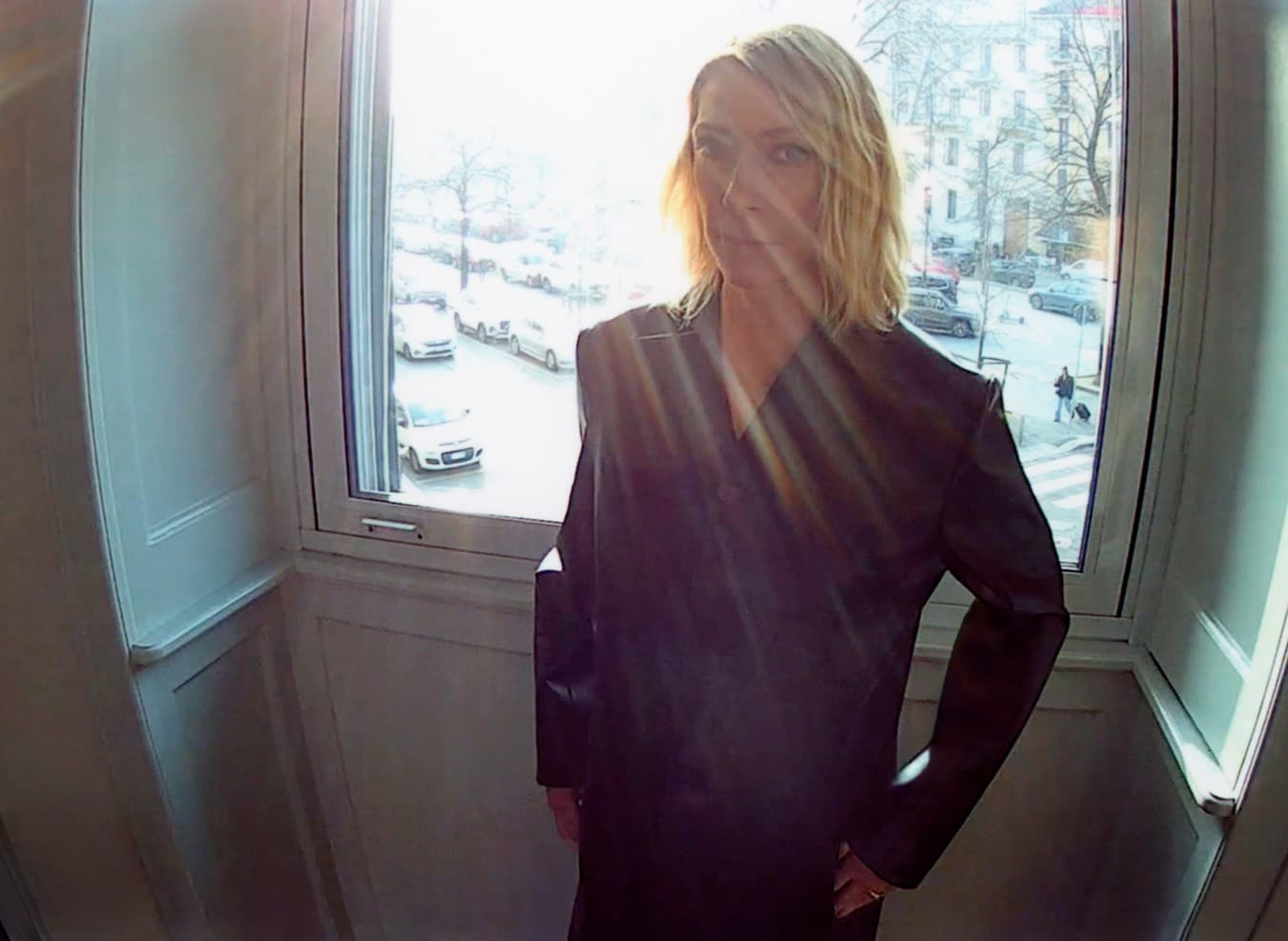
Over the years, as your work has evolved as artists, I’m curious how you practice keeping the channel open. How do you protect your instincts and desires while not closing yourself off from the world?
Kim Gordon: It’s really nice to have a visual art practice and write about other things because performing and playing music is so out in the public. It’s nice to have something that’s more reflective, and sort of reclaim yourself in a way.
Simone Bellotti: This is a very interesting question, this idea of protection in general. I’m not an artist, but what is important, I think, is for me to go deeper in myself and in what I feel. Instinct is the ultimate human ability we have, as animals in a way. So I want to protect my instincts. We are surrounded by loudness everywhere, so we really have to pay attention and cultivate what connects us to our emotions and to fantasy. Even if I am sometimes bored... It's good to be bored!
Why don’t you consider yourself an artist?
SB: Because being a fashion designer is related to different dynamics. What I do is close to the concept of an artist, because it’s a way to express myself, and what you’re doing of course has meaning, but you must also think about if something is wearable. It’s made by hand. It’s artisanal work. I feel more like an artisan than an artist, like my father.
)
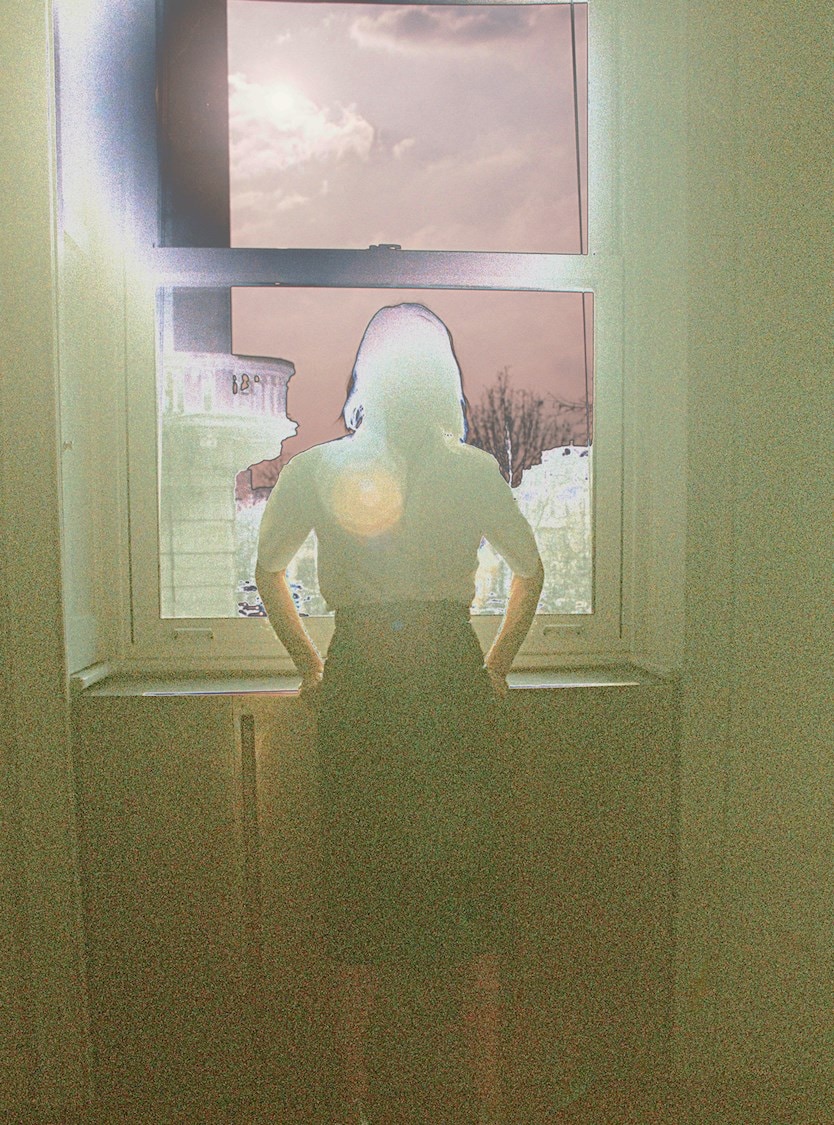

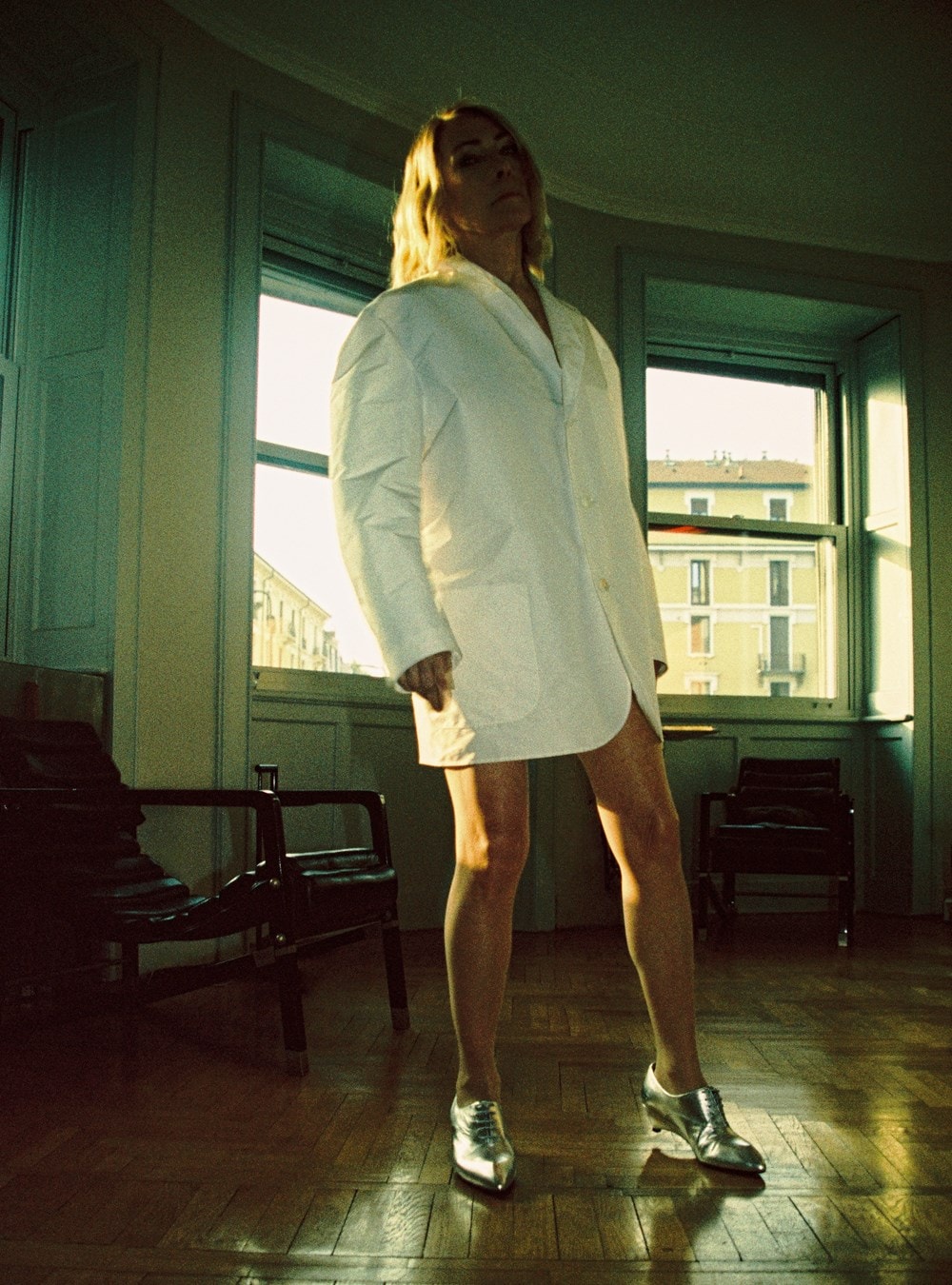
“Instinct is the ultimate human ability we have, as animals in a way” – Simone Bellotti
Which brings me to something I wanted to ask you both about: early memories, childhood memories, especially when you are on the cusp of showing a new collection or releasing a new album. Do you ever reflect on your childhood? In your case, Simone, your father was an upholsterer, no?
SB: I love to think about it. I remember when I was very young, I would try to help him in his laboratory. Mostly, I was making a mess. He died very young, unfortunately. I was very young, too.
How old were you?
SB: I was 13 years old. I remember the smell of the wool, the furniture, the noise of the hammer. There is nothing better than seeing what you can do with your hands. You have this immediate feedback. You can apply your ideas to something that is in front of you. It’s not abstract. That’s why the idea of this show was this idea of home. It was an homage. It was made by hand. Hours and hours.
That’s beautiful. And you, Kim, do you have any of those sort of Proustian moments?
KG: I’m totally influenced by both my parents. My dad was a sociologist and I used to look at his bookshelf in his room – they converted that garage into this sort of room. One of the books was called Men and Their Work. I was like five or something, and I would stare at this book and go, “What is this book about?” And I was just so curious why it was men specifically. Later on I realized my lyrics are kind of sociological observations. He also had this collection of jazz records that I listened to and would kind of make up stories. I would put them in a row in order to make this sort of narrative, and then I would dance around and act it out. My mother was a seamstress. She grew up during the Depression. She was very poor, so she made all her clothes and all my clothes or bought them in thrift stores, which I hated. She had no idea how much clothes cost in a store. Maybe it’s what made me gravitate towards fashion, you know, wanting things that seemed unattainable. I learned how to sew, but I would mostly take up my jeans on her sewing machine and break the needle.

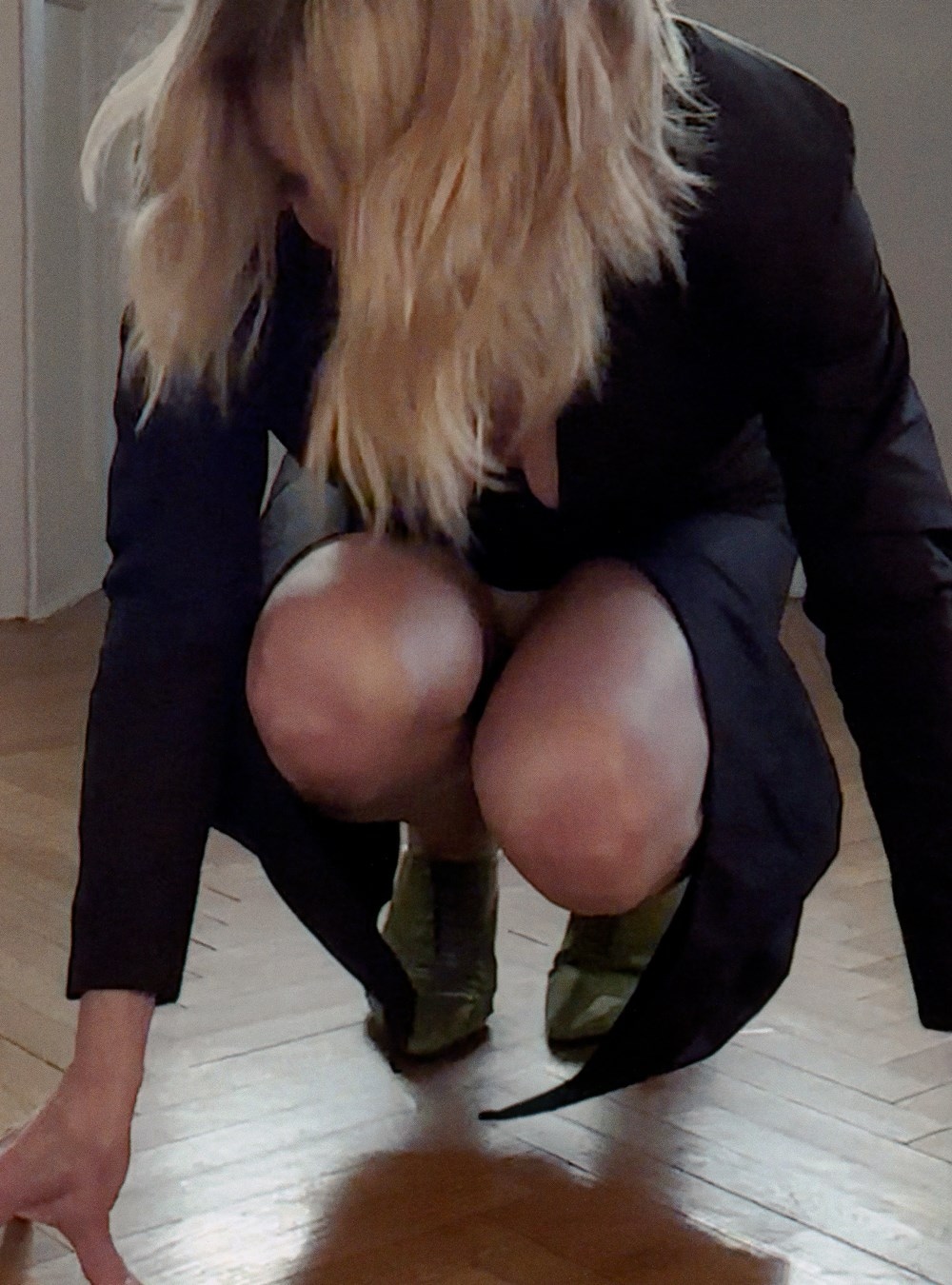
 JIL SANDER SS26)
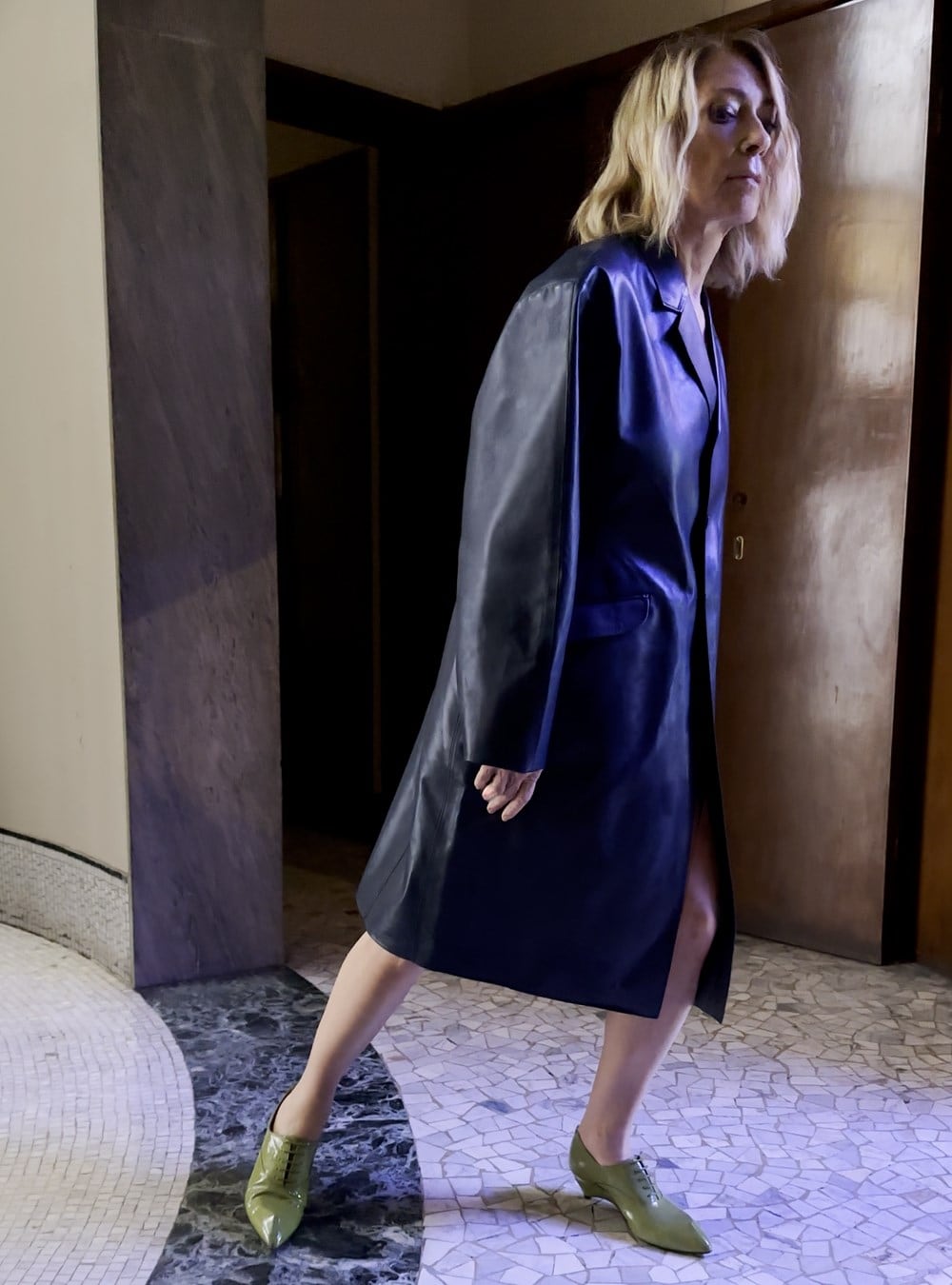
Sounds like you both have that in common. The immediacy of making something with your hands, heritable tactility, seeing results. But there’s also a lot of waiting. In your case, Kim, an album can be done for a long time before it’s even released. What role does patience play in your work?
KG: I’m not a very patient person. I think I used to be or used to think of myself in that way. Maybe I was just deluded. It’s hard to wait. Fashion seems to have its own pace. You can’t rush it, but then you have the show and it’s over. Simone can speak to that.
SB: I can be patient. But sometimes not. If I think about my progress since I started to work in fashion, it took many, many years. At Bally, it was the first time I had the chance to work on a show by myself and follow every aspect of a big project which included every product of the collection – men, women, shoes, bags. Sometimes you have this idea, that it’s the best idea, and then it doesn’t work. It’s a very long process. I also like to evolve as a person. I’m still learning so many things. I’m learning to do an interview like this. For me, it’s something new.
Even if you might describe yourselves as impatient at times, you’ve both also lived many lives. It’s nice to do other things. It gives you something to write about. Meeting people, having a family, doing something quietly without spectacle and so on. You grow, you develop material without constantly sharing or feeling exposed. Taking one’s time is so crucial.
SB: At the beginning, I thought I wasted so much time going to parties and clubs. Now I look back and I realize that those moments were so important because visually, it was probably the first time I discovered fashion in those clubs. In those years, in the 90s, there was a very strong scene in Italy, and the people used to get dressed in such amazing ways. Vivienne Westwood, Jean-Paul Gaultier, Margiela. So now I look back at that lost time and I say, it was probably really important.

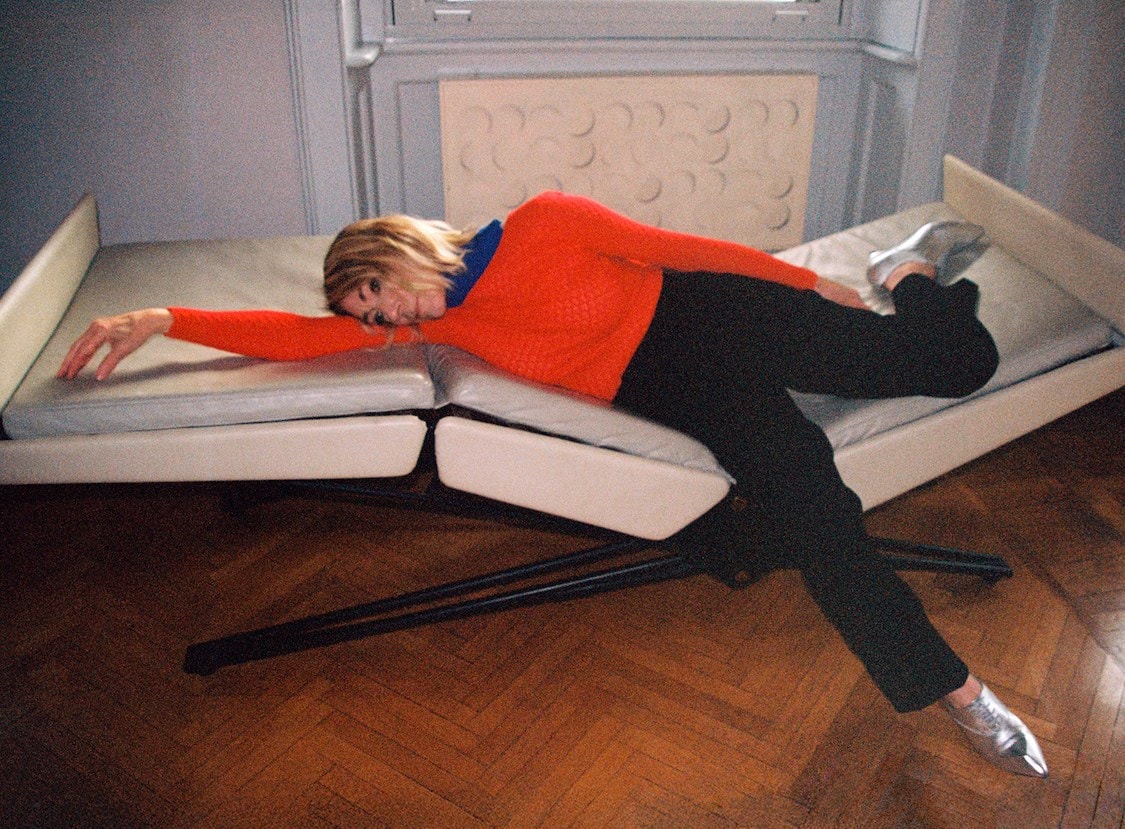
“Fashion seems to have its own pace” – Kim Gordon
Wasting time and procrastination, those are the moments when art gets made. Both of you have gone out on your own, Simone with Bally and now Jil Sander, Kim with your solo work and your visual art. Does it come with some fear?
KG: The art world’s more intimidating to me than the music world. I don’t really care about the music industry. I expect it to be kind of scummy. Whereas I grew up wanting to be an artist. And I know more about art, so I have more of a self-consciousness. I’ve done collaborative art things with mostly one artist friend of mine and it’s always fun and you end up doing things that neither of you would do on your own, and it’s often something that seems more free and radical. Because it’s not your individual ego out there that is on the wall. I always try to remind myself to make art as if I don’t know what art is.
In terms of design or art, I’m interested to know from both of you what your relationship is to mistakes.
KG: I like to work with mistakes. I think they can lead to interesting things. And I also like limitations. The electric guitar is so basic. It’s kind of limited in a way. But I think to come up with a good idea is what drives the material. I have this improv duo with my friend Bill Nace called Body/Head. Sometimes there’s real moments of awkwardness and you must learn how to embrace that and make it into something. I get bored if I go see a band that seems so perfect. I like when things fall apart a little bit.
SB: I totally agree. Mistakes are good. It’s unexpected. Mistakes are something you can learn from and think about after. A broken shoe can become something, you know.

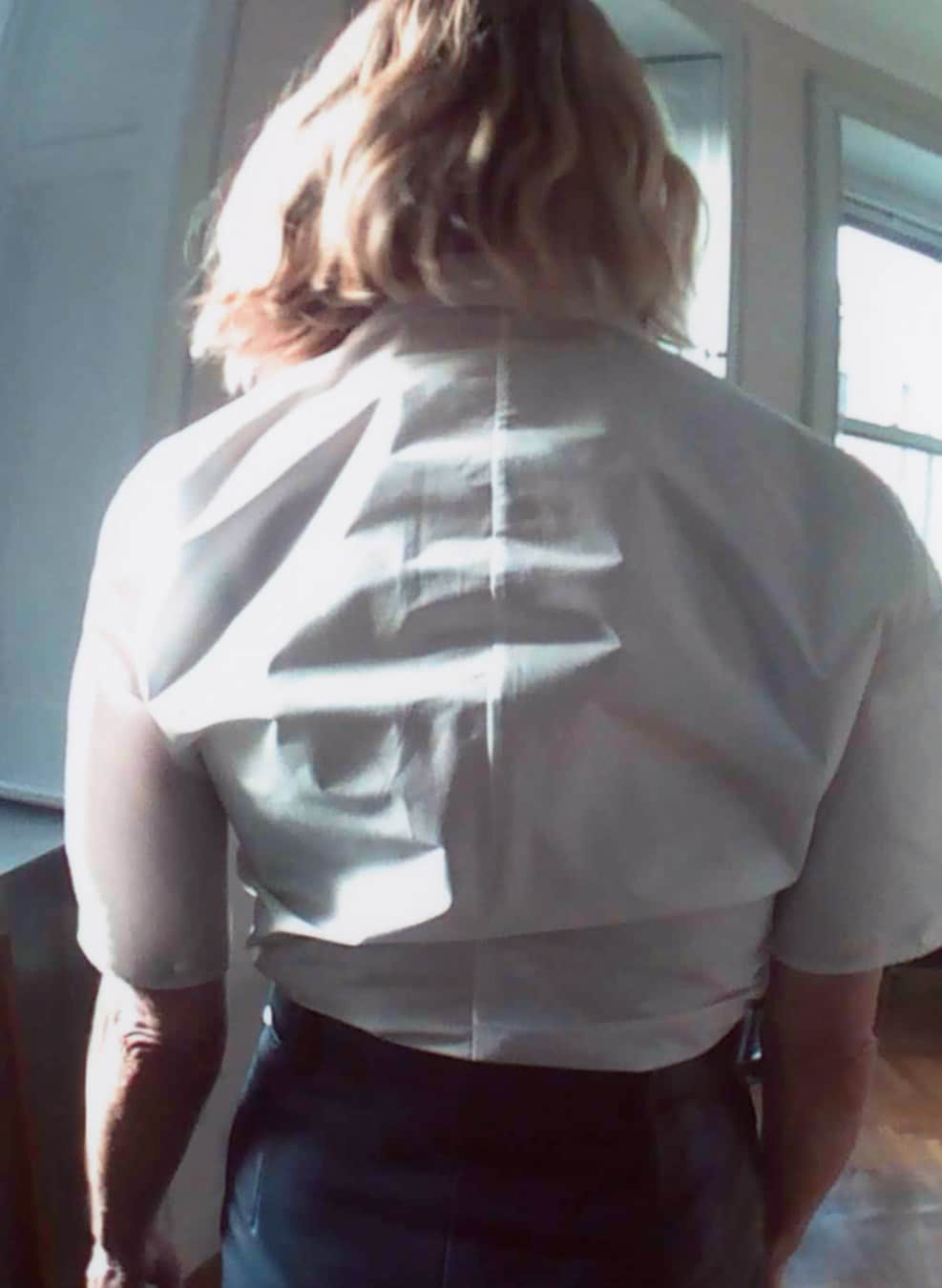

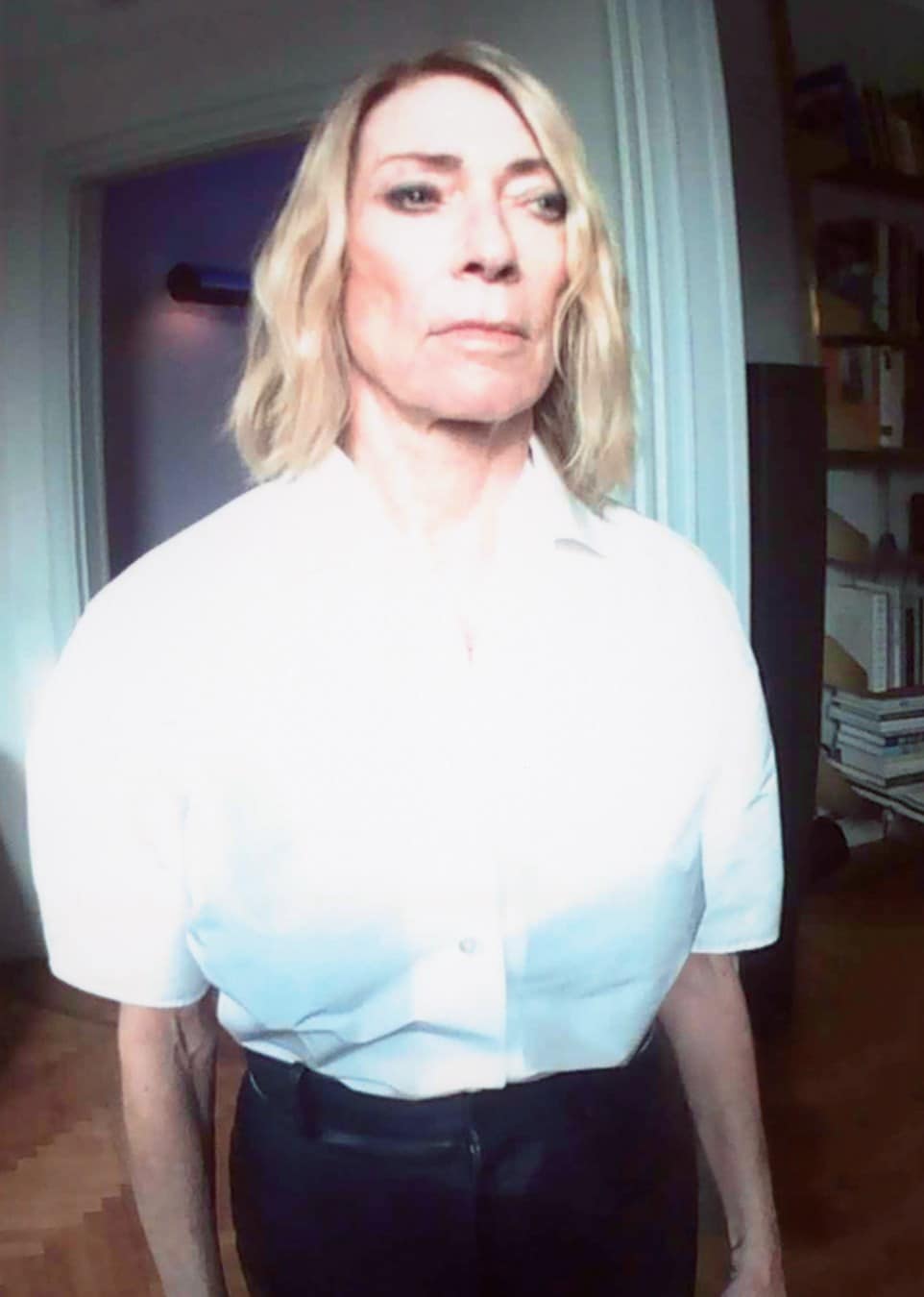
Hair: Dora Roberti at Blend Management using PAUL MITCHELL. Make-up: Andrea Sailis at Blend Management using ANASTASIA BEVERLY HILLS. Talent: Kim Gordon. Photographic assistant: Federico Lindner. Styling assistant: Charlie Edwards. Tailor: Amalfi Medrano. Production: Simone Acquaviva at Circus Studios
This story is taken from the Summer/Autumn 2026 issue of Another Man, Volume II, Issue V, which is on sale internationally from 30 April 2026.
