
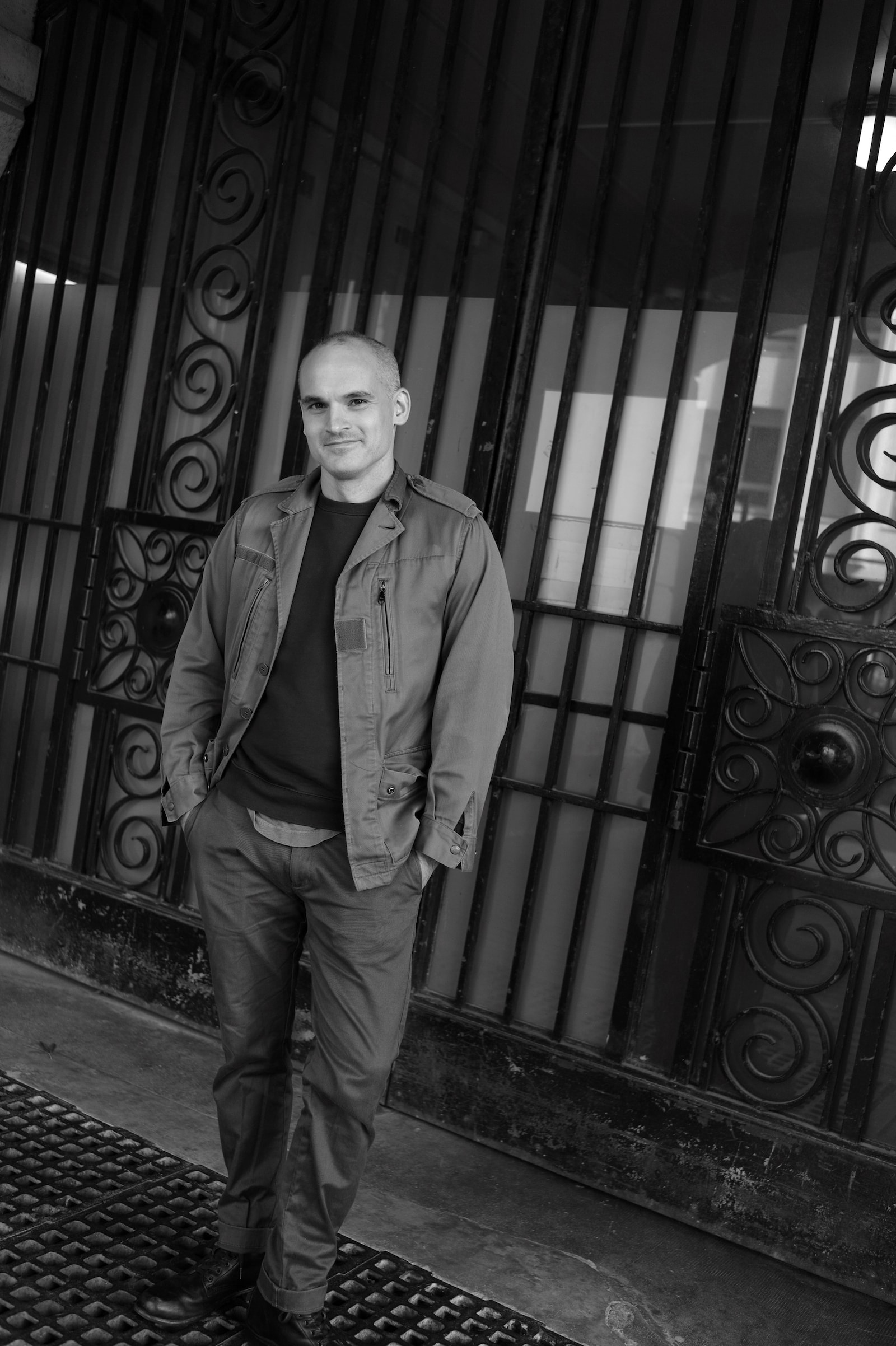
Perhaps it’s to do with particularly alarming developments in AI, or the seemingly inexorable concentration of wealth and power so evident across the globe but, as readers, it feels like it has become increasingly difficult to encounter speculative fiction that doesn’t involve post-apocalyptic landscapes, nefarious overloads, and the related, typical technological tropes.
Pulitzer Prize-winning author Hernan Diaz’s astounding new novel Ply rests on the softer side of sci-fi conventions, though, and is all the more effective for it. While set hundreds of years in the future, the book depicts a world that feels recognisable in its parallels to our current socio-political situation. Accordingly, it demands serious engagement with the question of where we, as a civilisation, are headed and what life might look like after a proverbial drop.
The intricate narrative centres on an unnamed young woman who operates as a “pincher” – someone who covertly siphons power from the electrical grid, stores it in “bricks”, and trades it on the black market. Aside from providing her with a precarious living, sourcing energy affords her involvement in her first love – live music. It is against this backdrop that the pincher becomes embroiled in a battle for her expertise and resourcefulness, some attempting to exploit her for monetary gain, others more interested in veiled and highly experimental applications. In keeping with Diaz’s two previous projects, In the Distance and Trust – both historical – Ply is also a deep examination into selfhood and how shifts in perspective can radically change it. Diaz is a remarkable ambassador for the novel in the 21st century; below, the passionate author speaks to AnOther about world-building, shifting narratives, and “this weird creature that is the United States.”

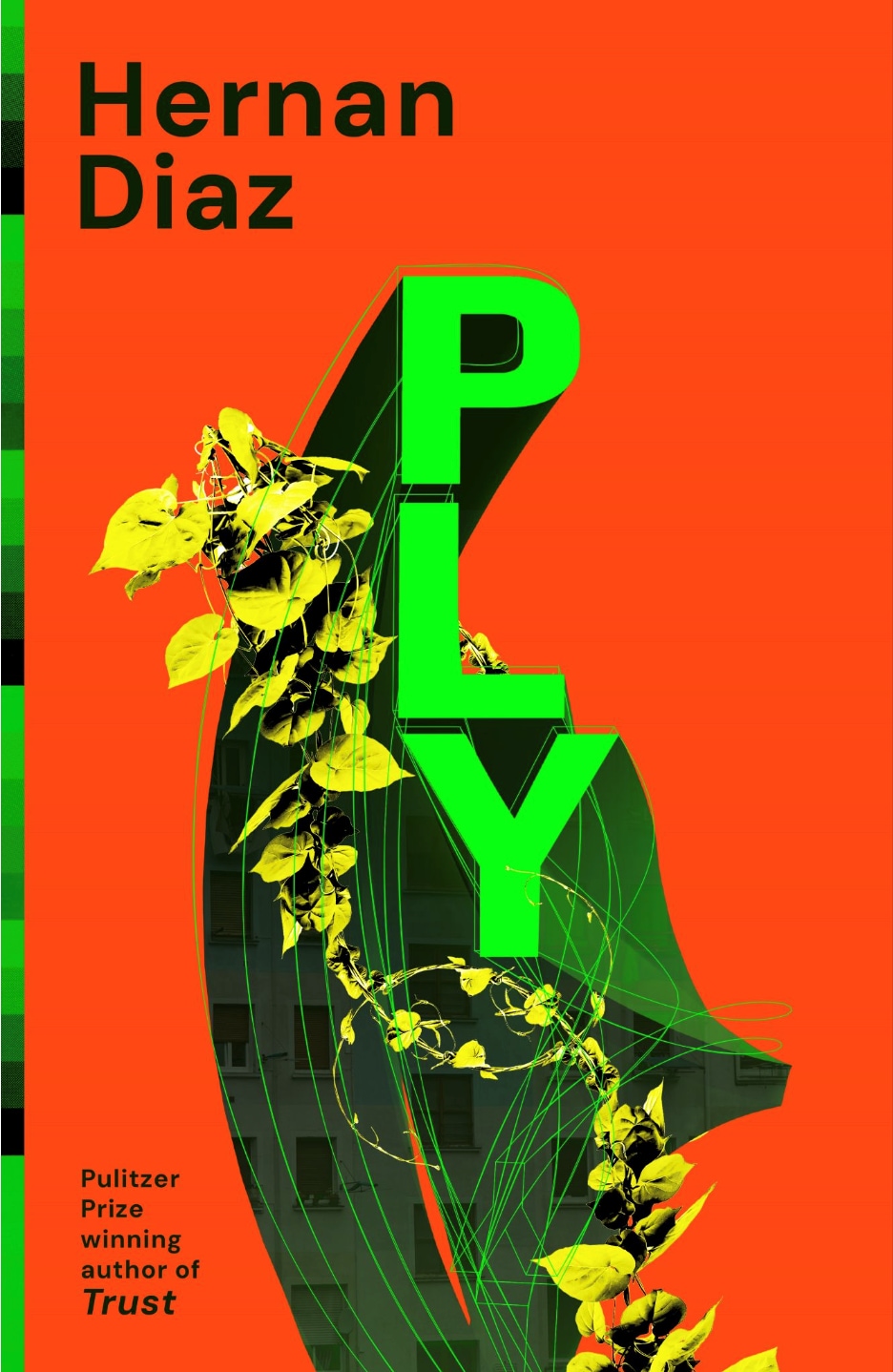
Sam Elliott Connor Hernan, there is so much to unpack in Ply: there is social commentary, there are very tightly written set pieces, loads of character development, and some science writing, too. How would you best encapsulate the book?
Hernan Diaz Essentially it’s about selfhood – “who am I?” and “how can I ever hope to connect with you?” What distinguishes one from the other? How do these two entities connect? This entails ideas of subjectivity that rely on different notions of consciousness.
I think that all of these experiences – the experience of selfhood, the experience of alterity, of someone else, and that connection – have always been mediated by technology, beginning with language, which is the most complex machine that humans have ever made, right? We are the stories that we tell about ourselves. I wanted to amplify that, and really make it about technology – so there is an outrageous machine at the core of this novel that brings the very nature of reality into question.
SEC Without spoilers, can you explain how this machine relates to the setting?
HD In everything that I’ve written, I’ve always been concerned about how unstable reality is and how our narratives may shift it. In this case I tried to take that literally – what would happen if we could actually alter physical reality?
Because I think the natural habitat of technology is the future, the story takes place in the future, centuries from now. It’s not at all a dystopian or post-apocalyptic novel. On the contrary, it takes place at a moment of historical fold. An old order has come to an end, but a new kind of social configuration is emerging, and that’s why the book is interested in these different forms of socialisation, communities, and art.
“I didn’t want a novel of people in flower garlands dancing in a circle. I wanted something a little more complex” – Hernan Diaz
SEC I found it interesting how, as you mention, while the text is speculative and set in the future, it isn’t explicitly dystopian. How did you arrive at a future that looks like this?
HD I don’t know what is going to happen – nobody does, obviously, and I’m not in the business of prognosticating. But I was trying to imagine what the best-case scenario for me, according to my beliefs, would be after the collapse of this order … I think we’ve lost the ability to imagine a better future for ourselves. And that’s what I was trying to do. But it’s difficult to do that because I hate dystopian fiction – but I also hate hippies. I didn’t want a novel of people in flower garlands dancing in a circle. I wanted something a little more complex.
SEC There are three main characters in the story. Was the dynamic between them something you knew you wanted to investigate from the outset?
HD It’s hard for me to provide a very precise chronology, but I can promise you that very early on it became clear to me that it would be these three women from three different generations meeting. It was important for me to have a triangulation of these characters by which they may see one another reflected. Yeah, I think that’s a very important part of the book.
SEC When I first approached Ply, given the setting, it felt like a radical departure from your previous work, but the more I read the more I found links to ideas and themes explored within In the Distance and Trust – relationships, identity, what it means to partake in the world ...
HD I think one of the common denominators is exactly what you said, which is in both of the previous novels. It’s always: how do we perceive reality? How malleable is the world? What does language and narrative do to our experience? This is a common thread through all the books. But I would also say they all have one main character, which is the United States. I’ve discovered – and I didn’t set out to do this, it’s not part of a program, or a manifesto – that I’m very interested in this kind of chimera – this weird creature that is the United States. And I find myself writing and reading about it all the time.
“If reality is not a continuum but granular – and here comes what I was hoping would be a clean premise – if I could access the ultimate grains of spacetime, I could change reality. That’s it. That is all” – Hernan Diaz
SEC Towards the end there is some pretty hardcore science writing. How did you prepare for this? It relates to very important moments and you don’t skimp on detail.
HD I knew I wanted to write about technology. That’s all I knew for a long time. And I knew I wanted an outrageous invention that had to be very clean – it couldn’t be convoluted.
So I started doing what I always do: I started reading. And I sort of drifted towards quantum mechanics, and I thought: if everything is quantised, if reality is not a continuum but granular – and here comes what I was hoping would be a clean premise – if I could access the ultimate grains of spacetime, I could change reality. That’s it. That is all.
When I thought that I had a certain degree of fluency, I decided to write to a project director at CERN. I described the machine that I wanted to build [in the book] and I did a lot of name-dropping just to show her that I’d at least done homework. We started corresponding and she invited me over and I spent over a week there, 150 metres underground.
But all I’m trying to say – and I’m making this point because it matters greatly to me – is that I don’t view those moments as appendices or something that could be excised to preserve an Aristotelian unity. Not at all. I think those moments define the novel as a form. Not my novel; the novel as a form.
SEC Hernan, thank you so much.
HD This was fun.
Ply is out on 24 September published by Picador