
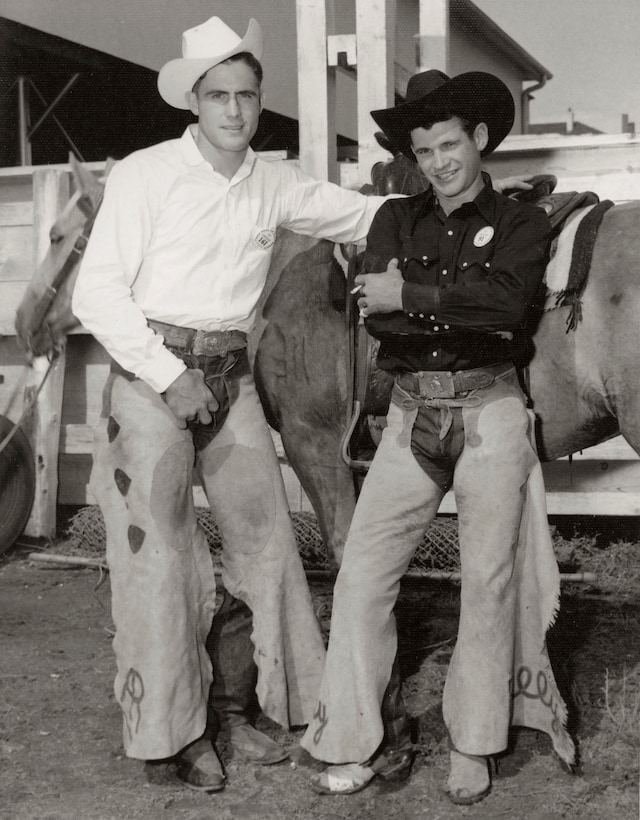
Curator Vince Aletti revisits Bruce of Los Angeles’s rarely seen rodeo photographs, tracing the photographer’s enduring fascination with cowboys, masculinity and queer desire
The cowboy has been an object of homoerotic fascination for as long as he has been a classic masculine archetype: the queer eye was always going to be drawn to a handsome man in chaps. This slightly subversive frisson lights up Bruce of Los Angeles: Rodeo, a new exhibition of vintage pictures by the late grandfather of physique photography, which opens this week at Acne Paper Palais Royal in Paris. From around 1950 until his death in 1974, the man born Bruce Bellas made regular trips to rodeos across North America, where he would wrangle competing cowboys for impromptu photo shoots. The results harnessed the queer appeal of cowboy iconography long before the Village People, Brokeback Mountain or the frisky discography of gay country singer Orville Peck.
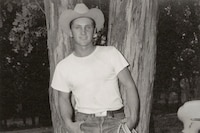
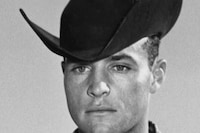
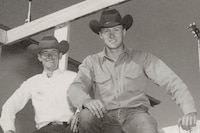
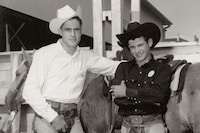
Bruce is best known for his carefully composed physique photography, which has influenced the likes of Robert Mapplethorpe and Herb Ritts. Even his pictures containing full-frontal nudity tend to have a playful or campy quality: he'd snap a muscular model posing like an ancient Greek athlete or frolicking with another by the pool. But the new exhibition’s curator, Vince Aletti, the New York-based photography critic and collector, believes his rodeo portraits show a “different side to Bruce from the almost classical Hollywood glamour of his male nudes". In these photographs, Bruce’s subjects are considerably more clothed – most wear jeans, long sleeve shirts and a classic cowboy hat – and his compositions are less stylised. Many of his subjects are posing in front of simple gates or wooden fences, almost as if they’re taking a break while their horses fuel up on hay. “They show that Bruce was also really good at capturing casual, charming portraits on the run,” Aletti says. “Clearly, he got the cowboys to pose for him, but they aren't doing any kind of exaggerated poses. To me, these pictures just feel really comfortable.” One of Bruce’s clean-cut cowboys is casually holding a lasso as he leans against a tree, while another nuzzles a stallion’s nose, one hand on his hip. Invariably, Bruce’s rodeo subjects project a relaxed virility that gives the brightly lit, black-and-white images a luminous erotic charge.

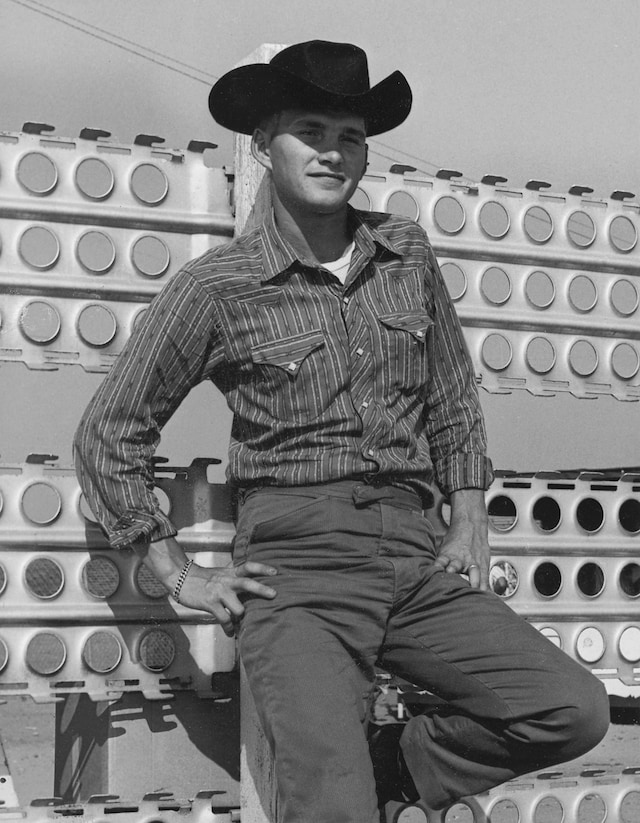
In total, the exhibition features 77 rodeo photographs, but Aletti reckons he has at least 150 more of Bruce’s cowboy portraits in his personal collection. “I doubt there were that many unattractive cowboys at the rodeos, but he certainly knew how to pick a handsome guy,” the curator says. “What struck me was the different ages [of his subjects]. There are some younger kids who were probably just breaking into the scene, and there’s some older guys that you look at and think: ‘This wasn’t his first rodeo’.” Aletti suggests that Bruce, who worked as a chemistry teacher in Nebraska before moving to Los Angeles to pursue a photography career, “probably just really enjoyed seeing these guys off duty.” Shooting them would surely have felt more relaxed than his day job as a physique photographer, which involved walking a fine line at all times. Like all so-called “beefcake photos” of the early and mid-20th century, Bruce’s pictures were ostensibly a celebration of male athleticism, but actually fed a growing appetite for homoerotic eye candy. For most of Bruce’s lifetime, expressions of queer male desire were taboo and even illegal: in 1962, Illinois became the first US state to decriminalise sexual relations between men.

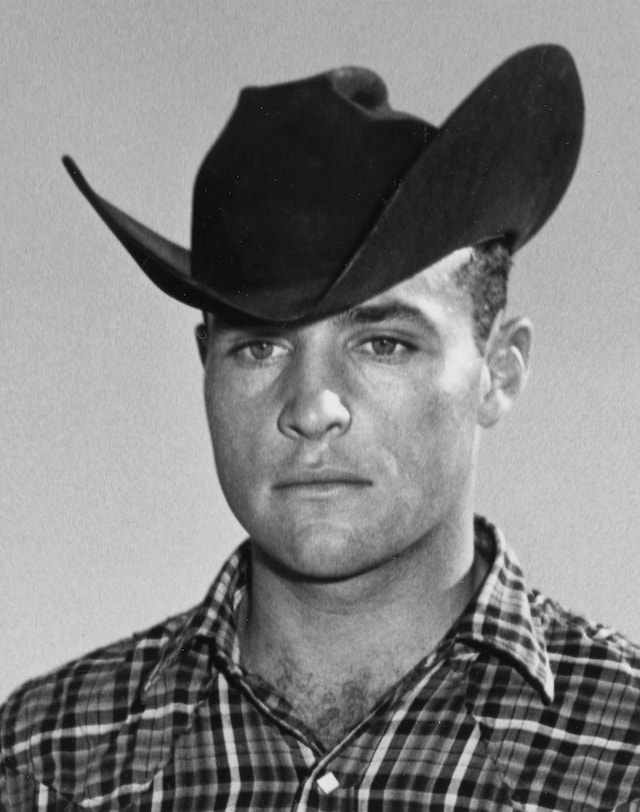
Though times were changing, Bruce would have needed to be incredibly careful when he asked men working in the hyper-masculine rodeo environment to pose for him. “I can only presume that he really had the gift of the gab,” says Calgary Gay History Project’s Kevin Allen, who grew up attending the Calgary Stampede in Alberta, Canada, one of Bruce’s favourite rodeos. “Calgary had a nascent queer community at that time – there were a couple of gay bars where Bruce could have made connections – but it was also a very closeted place. And like the UK and most of North America at that time, there would have been legal repercussions for anyone who was [found to be] a ‘known homosexual’.” Both Aletti and Allen believe that when Bruce arrived at a rodeo, he would have used the smooth social skills he honed while lensing male bodybuilders in California. “He had experience of working with men who weren’t necessarily used to taking their clothes off for the camera,” Aletti says, “and you can really see in these pictures how he could also put cowboys at ease.” Indeed, his rodeo subjects’ beaming smiles are somewhat revealing.

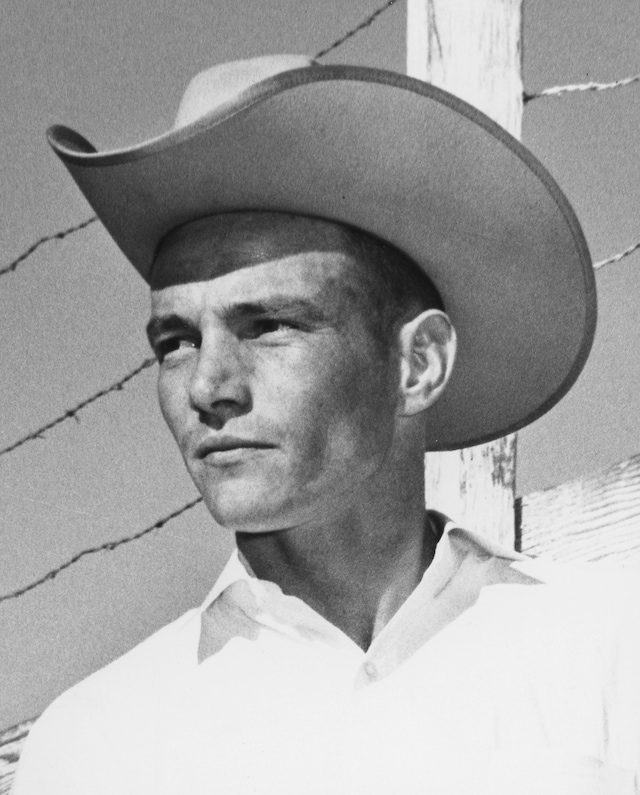
Still, as joyful as the new exhibition may feel, it also comes with what organisers describe as a “poignant coda.” In July 1974, while visiting a rodeo in Banff, Alberta, Bruce suffered a massive heart attack that cut his life short in his mid-60s. “I feel in a way that he died in the saddle,” Aletti says – another satisfying pun – “and it feels like a nice memorial that he went out doing something that he loved.” For Aletti, Bruce’s apposite sign-off only adds to the work’s unique and enduring appeal, an intoxicating blend of the wholesome and the erotic. “Here’s a group of amazing-looking guys, all photographed with Bruce’s skill and sensitivity, who aren’t trying to push their beauty on you in any way. They’re just making themselves available for our appreciation,” he says. “It’s hard not to see something kind of sweet and charming in that.”
Bruce of Los Angeles: Rodeo is at Acne Paper Palais Royal, Paris from 3 September to 7 October 2026.