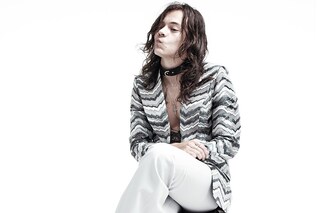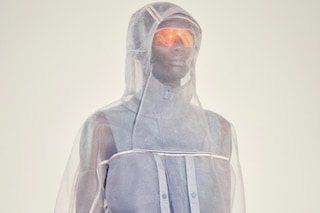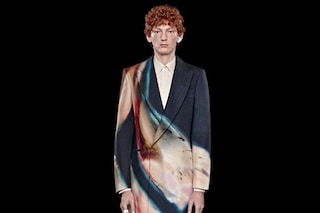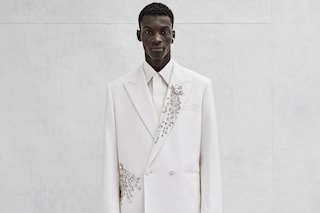
Presented
until the 19th of May at the Cité de la Mode et du Design as part of
the Musée Galliera Hors les Murs exhibition series.

Dear
Filep and iDEALS,
On the
walls of the room you read: “The body of the mannequin is subject to many
variations. The mannequin is the model of an ideal that allows little space for
differentiation.” Phrases continue all around the walls: “A perfection, totally
artificial”, “female ideal of beauty and youth”, “mannequin - a simple
cloth-hanger”, “Stereotype”…


Dummies
of different periods, wooden, clothe or plastic sculptures of the ideal female
body; sometimes their shapes seem humanly impossible, rather alien. Before,
there were corsets, now there are beauty products and Photoshop to aid women
approach the ideal.


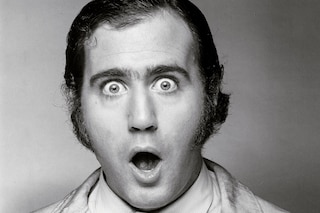
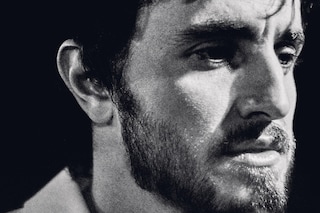
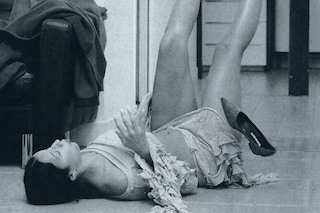
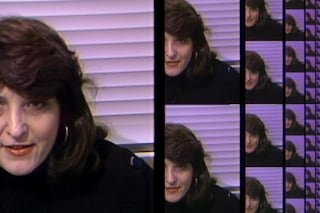
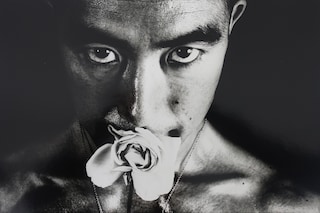
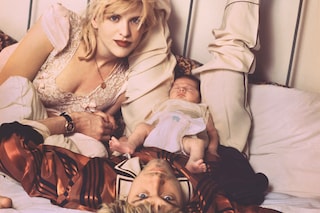
Photographs
of dressed or naked bodies, grasping the momentum of fashion and culture, taken
by Helmut Newton, Corrine Day, Guy Bourdin, Horst P. Horst and others.


Pictures
and videos of creations of designers, who had reshaped the body and what should
cover it. Paul Poiret, Madame Vionnet, Alexander McQueen, John Galliano,
Hussein Chalayan. There is a video of Cristobal Balenciaga fixing the clothes
on his models before a show. A made-to-measure mannequin, which the Maison Balenciaga
constructed according to the body shape of one of its Haute-Couture best clients
during the 60s. Another video with the best of Thierry Mugler: his dramatic,
plastified heroines, with their exaggerated curves and dimensions. In one of
his shows many girls emerge on the catwalk wearing a dressing room white blouse,
on each there’s the name of the girl, embroidered in red thread on the bust.
The designer’s creations had disappeared, only the girls are left with their
personalised uniform.


The “veste
mannequin” from Maison Martin Margiela ’97 collection: the pale greenish-ochre,
linen cloth covering the typical mannequin, on which the couturier normally
develops the garments, is peeled off and made into a jacket. The structure of
the mannequin’s cotton arms with the semi-sphere piece on the top, which serves
for attaching the arms on the shoulders, is made into the actual disassembled
sleeves of the jacket. Every detail is transferred to the jacket: the writing,
the seams and the marking lines that are traditionally on the mannequin. The
body dresses the body.
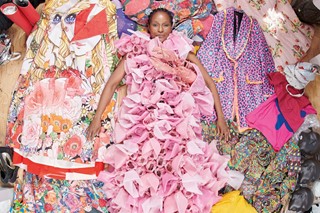
In the
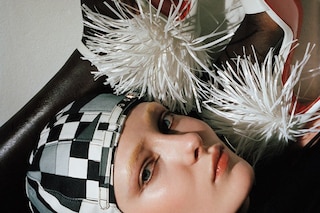
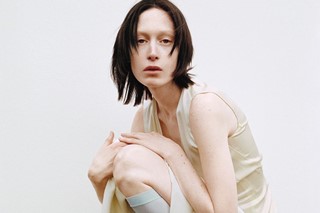
two rooms of the exhibition, there’s a large visual record of girls. Infamous,
supermodels, amateurs, of varying kinds of colours and shapes depending on the
different definitions of the ideal, have served as models since the black and
white era till our digital times.

Fashion
sells clothes and it also sells the empty space on their inside. And there’s
always a sense of discomfort and frustration when a case does not fit the destined
object. Funny enough it is often the object that tries to change itself for
fitting its case. The exhibition presents the fashion body as “unrealistic”, “artificial”,”
ideal”, therefore constructed to be unreachable. I’m thinking whether fashion would
die if some day one fits perfectly his clothes, and finds coordination between
his body and its cover, so he would decide to stay in those ones forever.
Though I doubt it because humans impulsively seek change and evolution in
themselves and their surroundings, and at the end they always put themselves in
their latest discoveries.

Related articles
INTERVIEW: STEPHEN JONES talks to FILEP MOTWARY
Boudoir Bible by Betony Vernon
Kinect enabled mannequin mimics shopper's movements
"Mannequin - Le Corps de la Mode" @ Paris' Les Docks
Haute couture for all: a history of style in 100 dresses
Paris Haute Couture Opens at Hôtel de Ville
View original post