A daily edit of our favourite blogs

KEVIN BUIST

—by Tourist Magazine / Thursday, September 9, 2010

tourist_weblog_post_tourist_125_picture_4.jpgtourist_weblog_post_tourist_125_picture_1.jpgtourist_weblog_post_tourist_125_picture_2.jpgtourist_weblog_post_tourist_125_picture_3.jpgtourist_weblog_post_tourist_125_picture_5.jpgtourist_weblog_post_tourist_125_picture_6.jpg

Hi Kevin!
Who are you? 
I live in Grand Rapids, Michigan. I work for an organization called ArtPrize. It's an annual, city-wide art competition. My job is to work directly with artists.

How did you begin making collages?
As a student I started to play with a number of printmaking and image transfer processes, as well as collage. Eventually I became more interested in isolating collage, rather than combining it with other media. I was being taught by artists who took very different approaches to image making. On the one hand, there were those that used collage as just one of many techniques. On the other hand, I really admired people searching for a way to reduce a single medium down to its essence. Paintings that are nothing but color, in the form of paint, things like that. I think the idea of boiling something down to a pure essence is really futile, but that futility interests me. 

Where do you retrieve the images that you use?
Old books, mostly. The first large body of collages I did when I was living in New York. I was taking a walk and came across two grocery bags full of old wildlife books on the sidewalk. I still occasionally use material from those books, and that was five years ago.

There are other books I always look for. There's a series of TIME/LIFE books about nature and science that are particularly good. I'm drawn to full bleed images. I'll often get a new book and go through the whole thing and cut out every full bleed image.

When do you decide an image is finished?
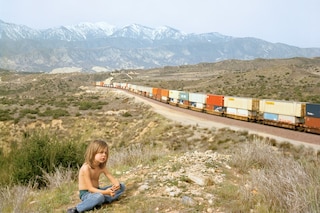
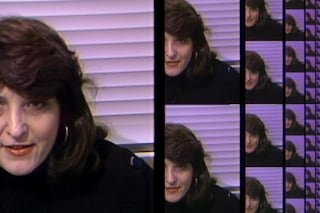
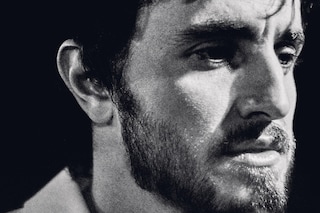
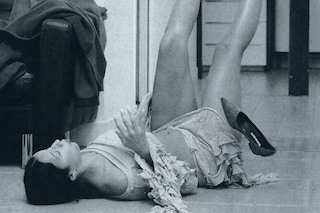
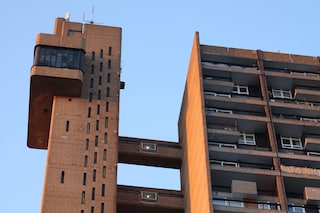
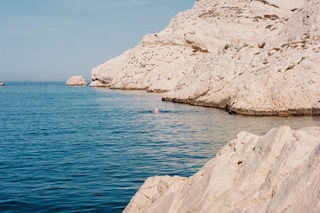
Many of the images are so simple, I figure out what I want before I begin. In the best case, I execute it and it's done. This isn't always the case, though. Sometime the plan doesn't work at all, then I'm left with pieces, and I start laying them on top of other images to see if something clicks. The vertical landscape images, of which there are a lot, started completely by accident. The one with two images of solar flares bisected by a mountain horizon was the first. I had cut the mountains out for something else, and I laid the leftover scrap on another image of solar flares. They lined up in a really serendipitous way, so I glued them together. I then started cutting horizon lines in a number of other images and laying the pieces on other ones until I started finding interesting compositions. I've found that the most satisfying images are the ones that exclude what you think would be the most interesting part. When the conventions of photography pull you into a focal point, only to be shunted back out, turned upside down, or otherwise denied what you thought you'd find.

What excites you? 
I like when really simple, singular gestures do a lot more than they should be capable of. When I get it right I'm really surprised by what a single line can do. I also like deleting content and seeing what remains. I'm excited by a balance between intrigue and confusion. I want things to be compellingly incomplete.

What makes you, you?
I look for short-cuts.

Which artist(s) do you admire?
John Stezaker is a huge inspiration for me. I also like Wade Guyton a lot, and Brion Nuda Rosch. Tumblr is a really great way to get inspiration, I end up finding a lot of great artists there.

Interview by Seren Adams
kevinbuist.com


View original post


More from this blog


Related Articles