
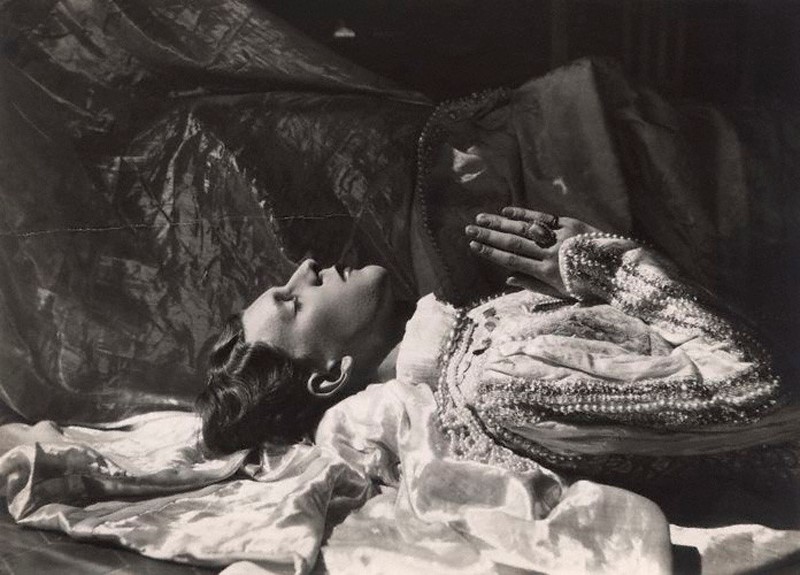
With their attention-grabbing antics, wild partying and competitively outlandish fashion, the bright young things of 1920s and 30s London were the prototype celebrities...
With their attention-grabbing antics, wild partying and competitively outlandish fashion, the bright young things of 1920s and 30s London were the prototype celebrities. Before them, the British press’s gossip columns amounted to nothing more exciting than society announcements. These young and privileged people changed all this with their scandalous outfits and behaviour, and the tabloids’ fascination with "the famous" and their intrinsic link to fashion has only grown since.
The poster boy to what many see as the very first youth movement was Stephen Tennant, son of Scots peer, Lord Glenconner and Pamela Wyndham, one of The Souls. His mother was also a cousin of Lord Alfred Douglas, Oscar Wilde's lover and a sonneteer. Tennant's androgynous looks and flamboyant style led sculptor Jacob Epstein to describe him as the most beautiful creature he had ever seen.
Tennant’s outfits ranged from indulgently luxe over-the-top opulence to theatrical, gender-blurring fancy dress. The gossip column from a 1927 edition of The Daily Express described Tennant’s headline-making style in this way: “The Honourable Stephen Tennant arrived in an electric brougham wearing a football jersey and earrings."
Like any self-respecting tabloid darling, Tennant made it his business to be photographed as much as possible, and quickly became a muse to British photographer Cecil Beaton. Beaton’s portrait of Tennant in fancy dress as Prince Charming (pictured above) is currently on show at the National Portrait Gallery. The rest of Beaton’s extensive photographs of the bright young set are archived at Sotheby's Picture Library.
Text by Laura Havlin
